Capacity Building Programme for Working Agricultural Engineers
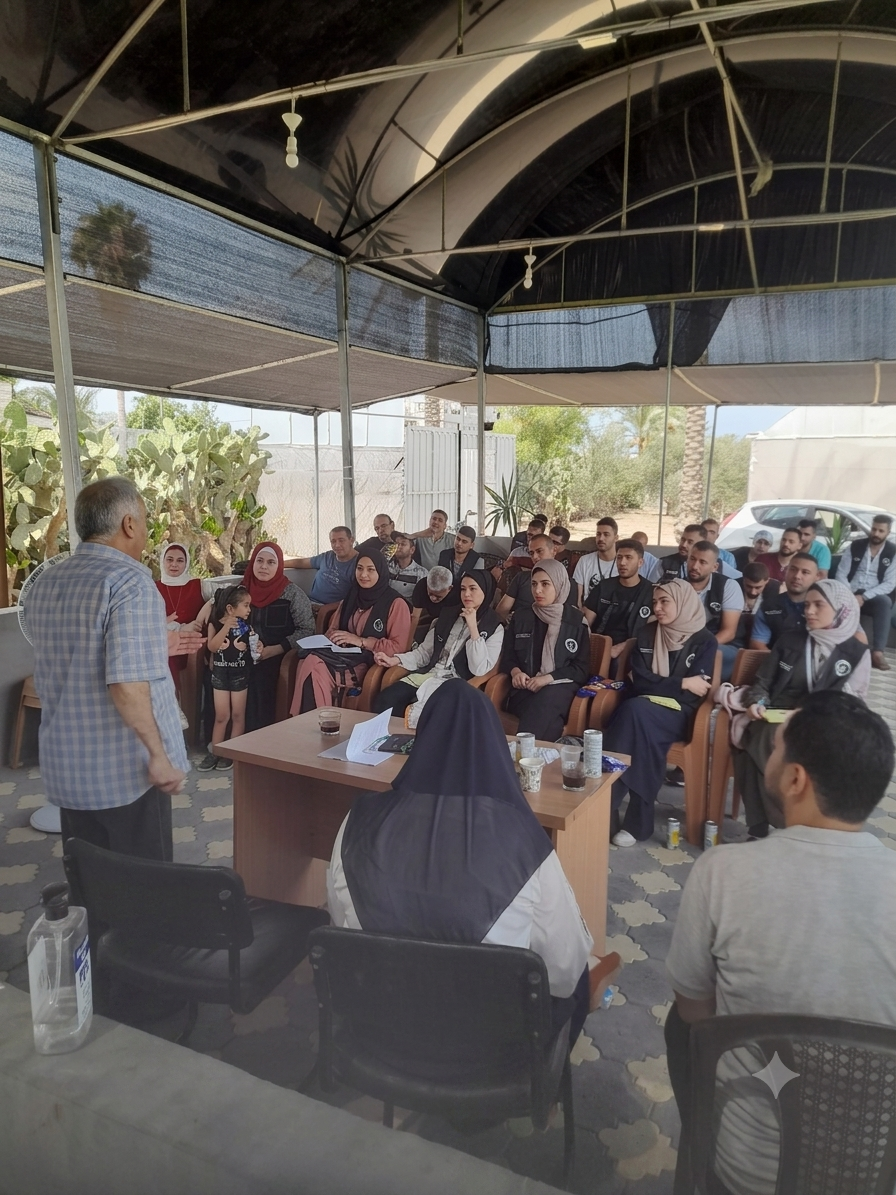
Capacity Building Programme for Working Agricultural Engineers
Technical competence is not built once it is continuously updated
20 agricultural engineers in a specialised professional development programme over six months
An agricultural engineer already working in the field does not need to learn the fundamentals; they need to update their knowledge new production techniques, advanced protection methods, shifting quality standards, and more efficient management practices. Technical knowledge in agriculture dates quickly, and a professional who does not refresh their skills gradually loses the ability to offer farmers advice worth having.
Working from that understanding, the Gaza Society for Sustainable Agriculture and Friendly Environment (SAFE) delivered a capacity building programme for agricultural engineers working in the sector in Gaza Governorate in March 2008, funded by Islamic Relief Worldwide, benefiting 20 agricultural engineers over six months, at a total cost of USD 50,000.
The programme was designed to combine professional development with livelihood support: a monthly stipend of USD 300 per engineer throughout the programme period, alongside the cost of technical training and its management. That design allows an engineer to commit to the training without it becoming a burden on their income a practical consideration that raises both attendance and the benefit drawn from it.
Why Target Working Engineers?
Because the impact multiplies. A working agricultural engineer is not an end beneficiary but a channel for knowledge transfer: every skill they acquire passes to the farmers they advise and to the farms, greenhouses, and projects they supervise. Training twenty engineers means, in practice, updated knowledge reaching hundreds of farmers through them.
That makes this kind of intervention among the highest-return forms of investment in the agricultural sector: limited cost, with impact that spreads horizontally and persists over time.
A Continuous Track of Training and Extension
This programme was not a standalone activity but one link in SAFE's sustained commitment to developing agricultural professionals and transferring technical knowledge:
Specialised Training Courses
Nursery Standards and Seedling Production Methods (2008) Targeted agricultural engineers working in seedling production — the first link in the crop production chain, where seedling quality and nursery standards shape the trajectory of the entire harvest from the outset.
Greenhouse Vegetable Production (2008) Covered protected agriculture, the highest-yielding farming system per unit area and the most sensitive to technical competence in climate, irrigation, fertilisation, and pest management.
Ongoing Agricultural Extension
SAFE provides agricultural extension services across multiple fields including livestock production, crop production, and plant protection as a continuing service rather than an activity tied to a specific project, keeping the organisation's technical expertise available to farmers and livestock keepers year-round.
SAFE's Role
SAFE led the programme drawing on its agricultural and technical expertise: identifying knowledge gaps among engineers working in the sector, designing the programme modules according to actual market needs, selecting participants, delivering theoretical and applied training, and providing follow-up and evaluation throughout.
An agricultural project ends when its funding does. A qualified engineer keeps working and passes on what they learned to every farmer they meet.