Assaf Sheep Fattening Project
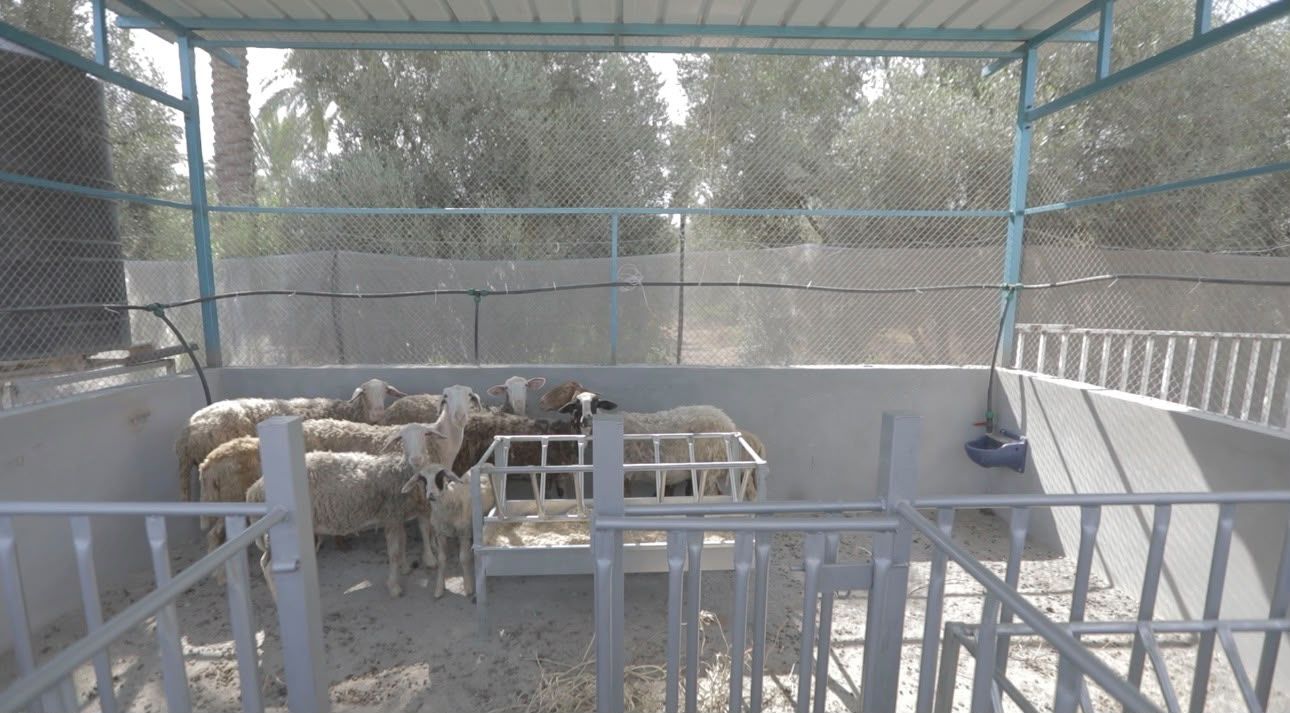
Assaf Sheep Fattening Project in Wadi Salqa
A short production cycle and rapid cash returns for rural households
300 head of Assaf sheep for 60 households with six months of feed and veterinary care
In rural communities, not every household needs the same project. Some need a productive asset that multiplies over the long term; others need rapid cash returns to close an immediate income gap. Sheep fattening was designed as the complementary model: a short production cycle ending in the sale of fattened stock, delivering a return within months rather than years.
The Gaza Society for Sustainable Agriculture and Friendly Environment (SAFE) implemented the project in the Wadi Salqa area of the Middle Governorate in April 2003, funded by the World Assembly of Muslim Youth (WAMY), at a total cost of USD 51,600.
The Project in Numbers
- 300 head of Assaf sheep
- 60 beneficiary households, each receiving five head
- An integrated support package per beneficiary: veterinary kit, six months of feed, veterinary extension, and seasonal vaccinations
- USD 51,600 total project cost, averaging USD 860 per beneficiary household
Why Fattening?
Because it addresses a different need from breeding and multiplication. Fattening is a short, lower-risk production cycle: the beneficiary receives the stock and raises it with secured feed and veterinary care until it reaches market weight, then sells — generating direct cash income that can be reinvested in a new cycle or used to meet urgent household needs.
The Assaf breed was selected for its suitability to this model, given its strong growth rates and high meat quality, both of which raise the market value of each head.
Why an Integrated Package?
Because the success of fattening depends more on nutrition and care than on the number of head:
- Six months of feed covers the full fattening cycle and prevents beneficiaries from having to sell stock before it reaches market weight
- The veterinary kit and seasonal vaccinations protect the flock from disease and reduce the mortality losses that erode profit margins
- Veterinary extension improves feeding and husbandry efficiency, translating directly into growth rates and final returns
SAFE's Role
SAFE led the project drawing on its agricultural and veterinary expertise: selecting the breed and technical specifications for the stock, identifying beneficiaries in Wadi Salqa against eligibility criteria and husbandry capacity, procuring the sheep, feed, and veterinary supplies, providing veterinary extension and field follow-up, and delivering the seasonal vaccination programme.
Partnership for Livelihoods
The project reflects the agricultural and developmental dimension at the core of SAFE's identity. With support from the World Assembly of Muslim Youth (WAMY), a single grant became 60 small household enterprises in a rural area, within a livestock sector that forms one of the pillars of food security and the rural economy in the Gaza Strip.
Five head and a single fattening cycle were enough to give a household an income it earns itself, rather than assistance it waits for.